Last updated November 2, 2026 · Reviewed by the Gala Health team
What compounding is
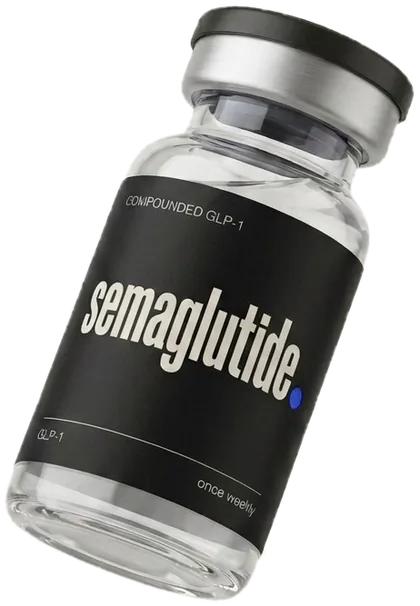
According to the FDA, compounding is the preparation of a drug for a patient who cannot be treated with an FDA-approved medication. Typical examples are a patient with an allergy to a dye in the approved product, or a patient who needs a liquid because they cannot swallow a tablet. Compounding commonly happens in pharmacies.
Compounded drugs come from two kinds of facility, and the difference matters for oversight.
- 503A pharmacies: compounding by a licensed pharmacist in a state-licensed pharmacy (or by a physician), on a prescription for an individual patient. State boards of pharmacy have primary day-to-day oversight, and these drugs are not subject to the FDA's current good manufacturing practice (CGMP) requirements.
- 503B outsourcing facilities: facilities that register with the FDA, are primarily overseen by the FDA, are inspected on a risk-based schedule and must follow CGMP. They were created in 2013 under the Drug Quality and Security Act.
Compounded medications are not FDA-approved. The FDA does not verify their safety, effectiveness or quality before they are marketed, and they are not the same thing as generic drugs, which are FDA-approved.
Quick comparison
| Brand-name (Wegovy, Ozempic, Zepbound, Mounjaro) | Compounded semaglutide or tirzepatide | |
|---|---|---|
| FDA approval | Approved | Not approved |
| FDA review of safety, effectiveness and quality before marketing | Yes | No |
| Made by | The manufacturer (Novo Nordisk or Eli Lilly) | A 503A pharmacy or 503B outsourcing facility |
| Dose labeling | Standard strengths, dosed in mg, in a prefilled pen or defined vial | Concentration and instructions can vary by pharmacy |
| Clinical trial results | Apply to the approved product | Do not automatically apply |
Trial results in this and other guides belong to the brand-name drugs, not to compounded versions.
Dosing: what to check
Brand-name semaglutide comes in prefilled pens with standard strengths in milligrams. Compounded vials can come in different concentrations, and instructions are sometimes written in units on a syringe, a fixed volume whose medicine content depends on the concentration. Knowing exactly how much to draw is the most important practical step. For how label titration works, see our GLP-1 dosing schedule guide.
- Ask your provider or pharmacy to state each dose in mg and in mL on the syringe you will use, not in units alone.
- Check that the syringe size matches the volume you will draw.
- If a label, concentration or syringe changes between shipments, confirm the new instructions before injecting.
How to tell what you are getting
A good provider and pharmacy make it easy to know what you are taking. Look for:
- a licensed provider who reviews your health history before prescribing, and who you can reach with questions after delivery
- a prescription filled by a state-licensed pharmacy, with the pharmacy's name and address on the label
- a label that states the active ingredient, the concentration and the dose
- medicine that arrives cold, undamaged and with instructions
Store and use your medication exactly as the pharmacy label directs, including how long a vial can be used after first opening, and use a new sterile needle and syringe for every dose.
How to decide
Brand-name products have FDA-reviewed labeling, trial data and standardized dosing. Compounded versions may be considered by a provider when an approved product does not fit a patient's needs. Which is appropriate depends on your health history, the specific product, and what your prescriber documents. Read our guides on semaglutide vs tirzepatide and GLP-1 side effects for more context.
Getting started with Gala
Gala offers compounded semaglutide, compounded tirzepatide and brand-name Ozempic®. Learn more on our pages for compounded GLP-1 medications and Ozempic. A licensed provider reviews your online assessment and prescribes only if it is appropriate for you. If prescribed, your medication ships to your home, you can message your care team with questions, and your provider can adjust your dose over time.
To see which options may fit, start your online GLP-1 assessment or browse the weight loss hub.
This article is for information only and is not medical advice. Talk to your healthcare provider about what is right for you.
Frequently asked questions
Are compounded GLP-1 medications FDA-approved?
No. Compounded medications are not FDA-approved. They are prepared by a licensed pharmacy for an individual patient on a provider's prescription.
What is the difference between a 503A pharmacy and a 503B outsourcing facility?
A 503A pharmacy is a state-licensed pharmacy that compounds on a prescription for an individual patient and is overseen mainly by the state board of pharmacy. A 503B outsourcing facility registers with the FDA, is overseen mainly by the FDA, and must follow current good manufacturing practice requirements.
Is compounded semaglutide the same as Wegovy or Ozempic?
No. It is not the same product and is not a generic. Brand-name drugs have FDA-reviewed labeling, standard strengths and trial data. Compounded versions can differ in concentration and labeling between pharmacies, and trial results for the brand-name drugs should not be assumed to apply to them.
How do I avoid a dosing mistake with a compounded injection?
Ask your provider or pharmacy to give each dose in both milligrams and milliliters for the exact syringe you will use, rather than in units alone. If anything is unclear, contact your provider before injecting.
Ready to talk to a provider?
Your answers go to a licensed provider, who decides whether treatment is right for you. Learn more about Weight Loss.
Sources
This article is for general information and is not medical advice. Talk to a licensed provider about your own health.