Last updated November 2, 2026 · Reviewed by the Gala Health team
Why what you eat matters on a GLP-1
The Wegovy® and Zepbound® labels describe these medicines as an addition to a reduced-calorie diet and increased physical activity. The Zepbound label states that tirzepatide decreases calorie intake, likely by affecting appetite, and the Wegovy label says the same of semaglutide.
Eating less can help weight loss, but it also makes it easier to fall short on nutrients. The 2025 joint advisory from the American College of Lifestyle Medicine, the American Society for Nutrition, the Obesity Medicine Association and The Obesity Society says dietary guidance for people on GLP-1s should focus on nutrient adequacy within an often substantially lower-calorie diet. It also lists muscle and bone loss and nutritional deficiencies among the challenges of GLP-1 treatment.
This advisory is an expert-group paper, not a clinical trial. The authors note that the effect of more structured nutrition and lifestyle therapy on weight regain after stopping has not been tested in controlled trials. Treat it as guidance to discuss with your provider or a registered dietitian, not a prescription.
Foods to emphasize
The advisory recommends a variety of nutrient-dense, minimally processed foods. Its examples are below.
- Fruits and vegetables, such as berries, apples, citrus, leafy greens, broccoli and carrots.
- Whole grains, such as oats, quinoa, brown rice and whole-grain bread, cereal and pasta.
- Lean proteins and eggs, such as poultry and fish or seafood, plus dairy such as yogurt, milk and cheese.
- Beans, peas and lentils, and nuts and seeds.
- Plant oils such as olive, canola and avocado oil.
It advises limiting refined carbohydrates (refined grains, flour, added sugars), sugar-sweetened beverages, red and processed meats, most fast foods, and ultra-processed sweets and savory snacks. It also suggests that providers consider checking at-risk nutrients such as vitamin D, calcium and B12 and tailor any supplements to the person.
Protein and muscle
Weight loss can include loss of muscle and bone as well as fat. The advisory points out that low protein intake caused by reduced appetite may add to muscle loss, especially in older adults and people who are not doing strength training. It notes that the right protein target for people with obesity is not settled and depends on how it is calculated, so ask your provider or dietitian for a target that fits you rather than copying a number from the internet.
The advisory offers these practical ideas for getting enough protein when appetite is low:
- Eat the protein-rich food first at a meal, before you feel full.
- Choose compact, nutrient-dense protein foods such as fish, eggs, Greek yogurt, cottage cheese, and nuts, seeds and their spreads.
- Some people use high-protein shakes or bars to reach their target.
The advisory is clear on one more point: more protein alone is likely not enough to protect muscle without structured resistance or strength training. Ask your provider what kind of activity is safe for you.
Fluids and dehydration
Dehydration is a real concern. The Wegovy Medication Guide says diarrhea, nausea and vomiting can cause fluid loss that may lead to kidney problems, and that drinking fluids helps reduce the chance of dehydration. The Zepbound label notes that most reported kidney events occurred in patients who had gastrointestinal reactions leading to dehydration. MedlinePlus tells people to let their doctor know if they cannot drink liquids.
The advisory lists "ensure adequate fluids" among its eating habits and suggests sipping fluids with small meals when nausea makes eating hard. None of these sources gives a daily fluid amount, so ask your provider what is right for you, especially if you have kidney, heart or other conditions.
Smaller meals and nausea
Nausea is the most common side effect and is most likely when starting or raising a dose. For details on how often it occurs, see our GLP-1 side effects guide. The advisory suggests several eating-pattern steps:
- Eat regular, small meals at consistent times, and avoid very large meals. The advisory notes that vomiting is more likely after large meals.
- Avoid long gaps without eating. It says some people get stuck in a cycle of skipping food because of nausea, which can make nausea worse, and suggests breakfast followed by small meals every 3 to 4 hours with adequate fluids.
- Consider avoiding fatty or high-fiber foods in the first few days of treatment if they trigger nausea.
- Ginger or peppermint tea and acupressure bands may help some people.
Tell your provider if nausea or vomiting does not go away. The Wegovy Medication Guide says to call right away in that case, and your provider may change your dose plan or suggest other help.
Fiber and constipation
Constipation is a common GLP-1 side effect. The advisory says it should be managed proactively and that adequate fluids and fiber from foods should be encouraged, although extra strategies are often needed. It adds that foods high in protein, fat or fiber slow stomach emptying, which can help weight loss but can also worsen constipation, so some people temporarily need to limit them.
That means fiber is not a simple "more is better." If constipation or bloating gets worse after you add fiber, tell your provider before adding laxatives or supplements. Ask before using any over-the-counter product, since your provider knows your medical history.
Alcohol and other habits
The advisory lists minimal alcohol intake among the eating habits to minimize risks. For more detail, read our guide to GLP-1 and alcohol. MedlinePlus also advises following all exercise and dietary recommendations from your doctor or dietitian.
A registered dietitian can build a pattern around your preferences, budget, culture and health conditions. The advisory names dietitian counseling, group visits and digital platforms as supportive strategies. A log of your doses and symptoms can help you and your care team link what you eat to how you feel.
Compounded medicines and Gala's care team
Compounded medications are not FDA-approved. The nutrition guidance above comes from brand-name labels and an expert advisory, and it is general. Your own plan depends on your health history and your prescribed medicine. See our guide to compounded GLP-1 medications for more on how they differ from brand-name drugs.
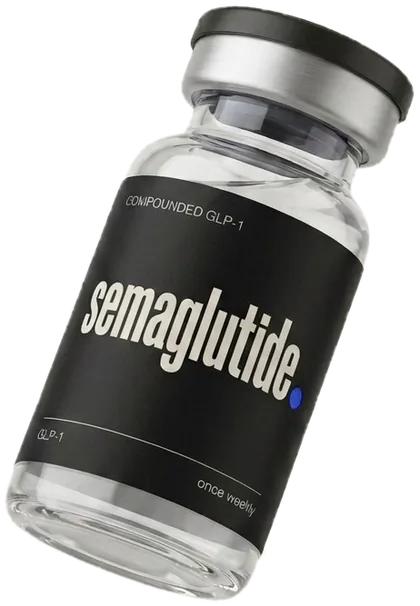
Gala offers compounded semaglutide, compounded tirzepatide and brand-name Ozempic®. A licensed provider reviews your online assessment and prescribes only if it is appropriate for you. If prescribed, your medication ships to your home, you can message your care team about eating and side effects, and your provider can adjust your dose. To begin, start your online GLP-1 assessment or explore the weight loss hub.
For how these medicines are dosed, see our GLP-1 dosing schedule guide.
This article is for information only and is not medical advice. Talk to your healthcare provider or a registered dietitian before changing your diet, especially if you have diabetes, kidney disease or a history of disordered eating.
Frequently asked questions
How much protein should I eat on a GLP-1?
There is no single number that fits everyone. A 2025 joint advisory from four U.S. nutrition and obesity societies says protein targets for people with obesity are still debated and depend on how they are calculated. It suggests eating protein-rich foods first at a meal and pairing protein with strength training. Ask your provider or a registered dietitian for a target that fits you.
What foods help with GLP-1 nausea?
The same advisory suggests eating small meals at regular times, avoiding very large meals, possibly avoiding fatty or high-fiber foods during the first days of treatment, drinking adequate fluids, and trying ginger or peppermint tea. It also notes that vomiting is more likely after large meals. If nausea or vomiting does not go away, tell your provider.
Do I need to drink more water on a GLP-1?
Fluids matter because vomiting, diarrhea and nausea can cause dehydration, which the Wegovy Medication Guide says may lead to kidney problems. The sources do not give a daily amount, so ask your provider what is right for you. Tell your provider right away if nausea, vomiting or diarrhea does not go away.
Can eating fiber make GLP-1 constipation worse?
It can for some people. The advisory says adequate fluids and fiber from foods should be encouraged for constipation, but also notes that foods high in fiber, protein or fat slow stomach emptying and may worsen constipation, so some people need to limit them temporarily. Talk to your provider if constipation continues.
Should I take supplements on a GLP-1?
Not without asking your provider. The advisory says supplements can be considered for at-risk nutrients such as vitamin D, calcium and B12, tailored to each person's needs, and that providers should check nutrient status during therapy. A registered dietitian can help you decide what, if anything, you need.
Ready to talk to a provider?
Your answers go to a licensed provider, who decides whether treatment is right for you. Learn more about Weight Loss.
Sources
- Mozaffarian D, et al. Nutritional priorities to support GLP-1 therapy for obesity: a joint advisory from the American College of Lifestyle Medicine, the American Society for Nutrition, the Obesity Medicine Association, and The Obesity Society. Obesity Pillars. 2025.
- Novo Nordisk. WEGOVY (semaglutide) prescribing information and Medication Guide. FDA-approved label.
- Eli Lilly. ZEPBOUND (tirzepatide) prescribing information. FDA-approved label.
- MedlinePlus (NIH). Semaglutide injection.
This article is for general information and is not medical advice. Talk to a licensed provider about your own health.