Last updated November 13, 2026 · Reviewed by the Gala Health team
What "bioidentical" actually means
"Bioidentical" describes a molecule, not a source or a pharmacy. A bioidentical hormone is chemically identical to one the body produces. The Menopause Society warns that the term can mislead, because it covers two very different kinds of product: government-approved bioidentical hormones and compounded ones.
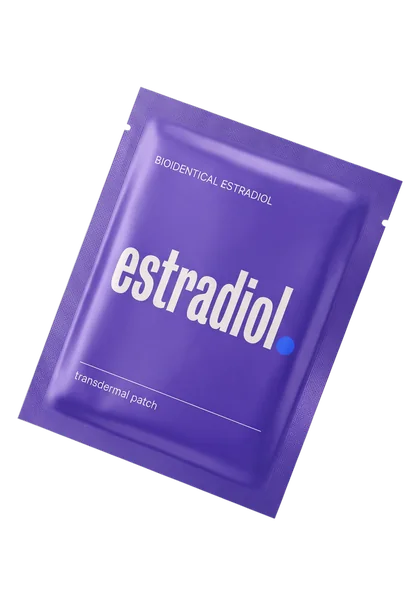
In the United States, the FDA-approved bioidentical hormones include estradiol, estrone and micronized progesterone. They are regulated and monitored for purity and efficacy, and they come with a package insert based on randomized trials.
Not every approved hormone is bioidentical. The Women's Health Initiative tested conjugated equine estrogens plus medroxyprogesterone acetate, a synthetic progestin. Much of the old fear around HRT comes from that combination, not from estradiol and micronized progesterone.
FDA-approved bioidentical, compounded and synthetic compared
| FDA-approved bioidentical | Compounded bioidentical (cBHT) | FDA-approved, not bioidentical | |
|---|---|---|---|
| Examples | Estradiol tablets, patches, gels, sprays, vaginal creams, inserts and rings; micronized progesterone capsules | Custom creams, pellets, troches or capsules mixing estradiol, estriol, progesterone, DHEA or testosterone | Conjugated equine estrogens; medroxyprogesterone acetate |
| FDA review of safety, effectiveness and quality | Yes | No | Yes |
| Label with dosing and risks | Yes, based on clinical trials | No standard label | Yes |
| Dose consistency | Regulated and monitored | Risk of overdosing, underdosing and impurities, per The Menopause Society | Regulated and monitored |
| Professional societies | Recommended for menopause symptoms | Not recommended routinely when an approved option fits | Approved; this is the combination the WHI tested |
Estradiol in a patch from a regular pharmacy is as bioidentical as estradiol in a custom cream. The difference is the testing, the dose control and the label.
What experts say about compounded bioidentical hormones
Compounded drugs are prepared by a pharmacy for an individual prescription. FDA states that compounded drugs are not FDA-approved and do not go through its premarket review for safety, effectiveness or quality. Three expert bodies have looked at compounded bioidentical hormone therapy specifically:
- The Menopause Society (2022): there is insufficient evidence to support overall clinical use of compounded bioidentical hormones for menopause symptoms. It lists safety concerns including minimal regulation and monitoring, overdosing and underdosing, impurities, lack of sterility, missing efficacy and safety data, and no label outlining risks. Patient preference alone should not justify it.
- ACOG (Clinical Consensus No. 6, 2023, reaffirmed 2026): "bioidentical hormone" is often used as a marketing term to imply compounded products are natural and safer, but evidence for those claims is lacking. Compounded bioidentical hormone therapy should not be prescribed routinely when FDA-approved formulations exist.
- The National Academies of Sciences, Engineering, and Medicine (2020, at FDA's request): data were insufficient to support the clinical utility of compounded bioidentical hormones, and the committee recommended restricting their use. It estimated compounded hormones account for 26 to 33 million prescriptions a year, costing upward of $2 billion.
All three leave a narrow door open: compounding can make sense when a patient is allergic to an ingredient in every approved product, or needs a dose or form that no approved product offers. Prometrium, for example, contains peanut oil and should not be used by people with a peanut allergy.
Saliva tests, pellets and "custom" dosing
Compounded hormone programs often set doses from saliva, urine or blood hormone tests. The Menopause Society calls saliva and urine testing for dosing unreliable and not recommended, because hormone levels vary through the day, between women and from one day to the next. It adds that serum testing is rarely needed.
The same statement flags pellets, implants and troches as nonstandard or untested routes, and notes compounded mixes can combine several hormones in untested combinations. A truly personalized plan comes from adjusting an approved product to your symptoms, not from a lab panel.
Are bioidentical hormones safer?
There are no large randomized trials showing compounded bioidentical hormones are safer than approved ones; that missing evidence is the central finding of the National Academies report. FDA-approved estradiol and micronized progesterone are covered by the same class labeling as other menopausal hormone therapy, so the general safety guidance in is HRT safe applies to them too.
Within approved products, the choice of molecule and route may still matter. The Menopause Society notes that some observational data suggest micronized progesterone has a smaller association with breast cancer than synthetic progestins such as medroxyprogesterone acetate, and that it may be less likely to cause blood clots. Transdermal estradiol has not been associated with clot risk in observational studies. Randomized trials comparing them head to head are still lacking.
Gala uses FDA-approved bioidentical hormones
Gala prescribes FDA-approved bioidentical forms: estradiol as a pill, patch or gel, micronized progesterone, and vaginal estradiol for local symptoms. When hormones are not right for you, the non-hormonal option uses paroxetine or desvenlafaxine. Gala does not sell hormone pellets, saliva-test dosing or custom-mixed hormone creams.
A licensed provider picks the form and dose from your symptoms and history, then adjusts it at check-ins. Learn how each one works on the estradiol, progesterone and vaginal estradiol pages, or see how progesterone is used at night in progesterone for sleep. Symptoms like brain fog and mood changes are part of the same assessment. Explore the hormone health hub or start your menopause assessment.
Frequently asked questions
What are bioidentical hormones?
Bioidentical hormones are chemically identical to hormones the body makes, such as estradiol and progesterone. Some are FDA-approved, including estradiol pills, patches and gels and micronized progesterone capsules; others are custom-compounded by pharmacies and are not FDA-approved.
Are bioidentical hormones FDA approved?
Some are. The Menopause Society lists estradiol, estrone and micronized progesterone among FDA-approved bioidentical hormones. Compounded bioidentical hormone preparations, such as custom creams and pellets, are not FDA-approved.
Are bioidentical hormones safe?
FDA-approved bioidentical hormones have been studied in clinical trials and carry labels describing their risks. Compounded versions lack that evidence, and The Menopause Society, ACOG and the National Academies do not recommend them routinely when an approved product fits.
What is the difference between bioidentical and synthetic hormones?
Bioidentical hormones match the body's own molecules, such as estradiol and progesterone. Synthetic or non-identical hormones, such as conjugated equine estrogens and medroxyprogesterone acetate, differ in structure. Both kinds include FDA-approved products.
Is estradiol bioidentical?
Yes. Estradiol is the main estrogen the ovaries produce, and FDA-approved estradiol pills, patches, gels and vaginal products are bioidentical. You do not need a compounded product to get bioidentical estradiol.
Are bioidentical hormones safer than synthetic?
There is no strong trial evidence that compounded bioidentical hormones are safer. Among approved products, observational data suggest micronized progesterone may be linked with less breast cancer risk and fewer clots than some synthetic progestins, but head-to-head trials are lacking.
Ready to talk to a provider?
Your answers go to a licensed provider, who decides whether treatment is right for you. Learn more about Hormone Health.
Treatments: Estradiol pill or patch online · Progesterone for menopause · Vaginal estrogen online · Non-hormonal menopause treatment
More Hormone Health guides
- estradiol patch vs pill
- HRT side effects
- perimenopause vs menopause
- progesterone for sleep
- best online HRT providers
- how to get an estradiol prescription online
- HRT for perimenopause
- HRT cost without insurance
- is HRT safe
- when to start HRT
- online menopause doctor
- HRT after hysterectomy
- Midi Health alternatives
- HRT and GLP-1 together
- Veozah alternatives
Sources
- The 2022 hormone therapy position statement of The North American Menopause Society. Menopause. 2022;29(7):767-794. Full text.
- American College of Obstetricians and Gynecologists. Compounded bioidentical menopausal hormone therapy. Clinical Consensus No. 6. November 2023, reaffirmed 2026.
- National Academies of Sciences, Engineering, and Medicine. The Clinical Utility of Compounded Bioidentical Hormone Therapy: A Review of Safety, Effectiveness, and Use. Report highlights. 2020.
- National Academies of Sciences, Engineering, and Medicine. The Clinical Utility of Compounded Bioidentical Hormone Therapy. Report page. 2020.
- U.S. FDA. Compounding and the FDA: questions and answers.
- Acertis Pharmaceuticals. Prometrium (progesterone) capsules prescribing information. NLM DailyMed.
- Rossouw JE, et al. Risks and benefits of estrogen plus progestin in healthy postmenopausal women: principal results from the Women's Health Initiative randomized controlled trial. JAMA. 2002;288(3):321-333.
This article is for general information and is not medical advice. Talk to a licensed provider about your own health.