
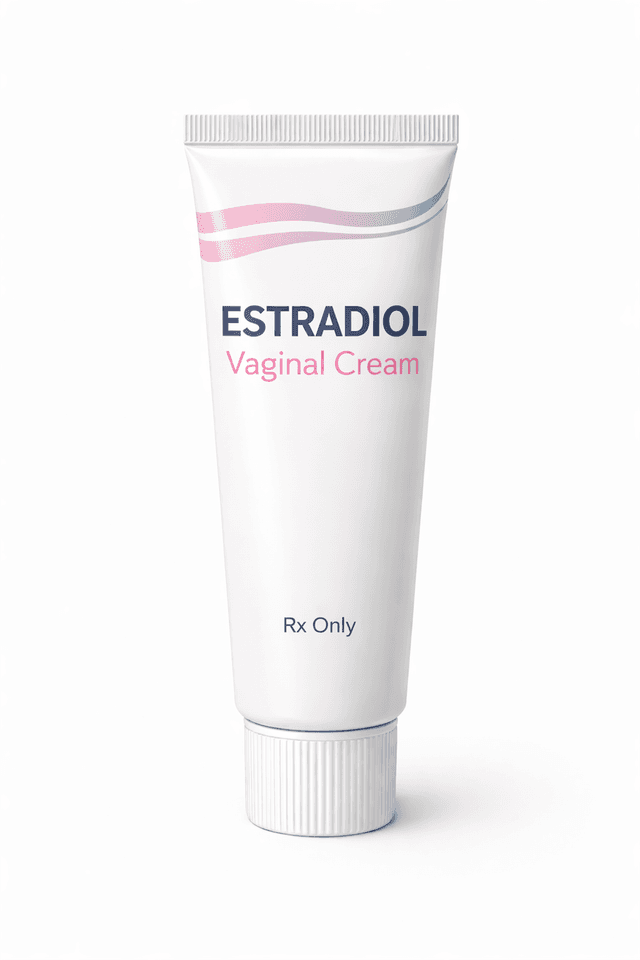
One insert daily
The label starts with 1 insert a day, at about the same time, for 2 weeks.
Vaginal and urinary tissues depend on estrogen. As estrogen drops, they thin, lubricate less and become more prone to irritation and infection: the genitourinary syndrome of menopause. Low-dose vaginal estradiol treats those tissues directly.
The same estradiol decline behind hot flashes also thins vaginal and urinary tissue. The 2020 Menopause Society statement calls the result likely underdiagnosed and undertreated.
This is the Imvexxy label schedule. Other vaginal estradiol products follow a similar pattern of a daily start, then a lower maintenance frequency.
The label starts with 1 insert a day, at about the same time, for 2 weeks.
Then 1 insert twice a week, for example Monday and Thursday.
The label says to adjust the dose based on clinical response. Tell your care team how symptoms change.
The label asks prescribers to re-evaluate periodically whether treatment is still needed.
We ask the questions a thoughtful menopause clinician would. 5 minutes, no jargon.
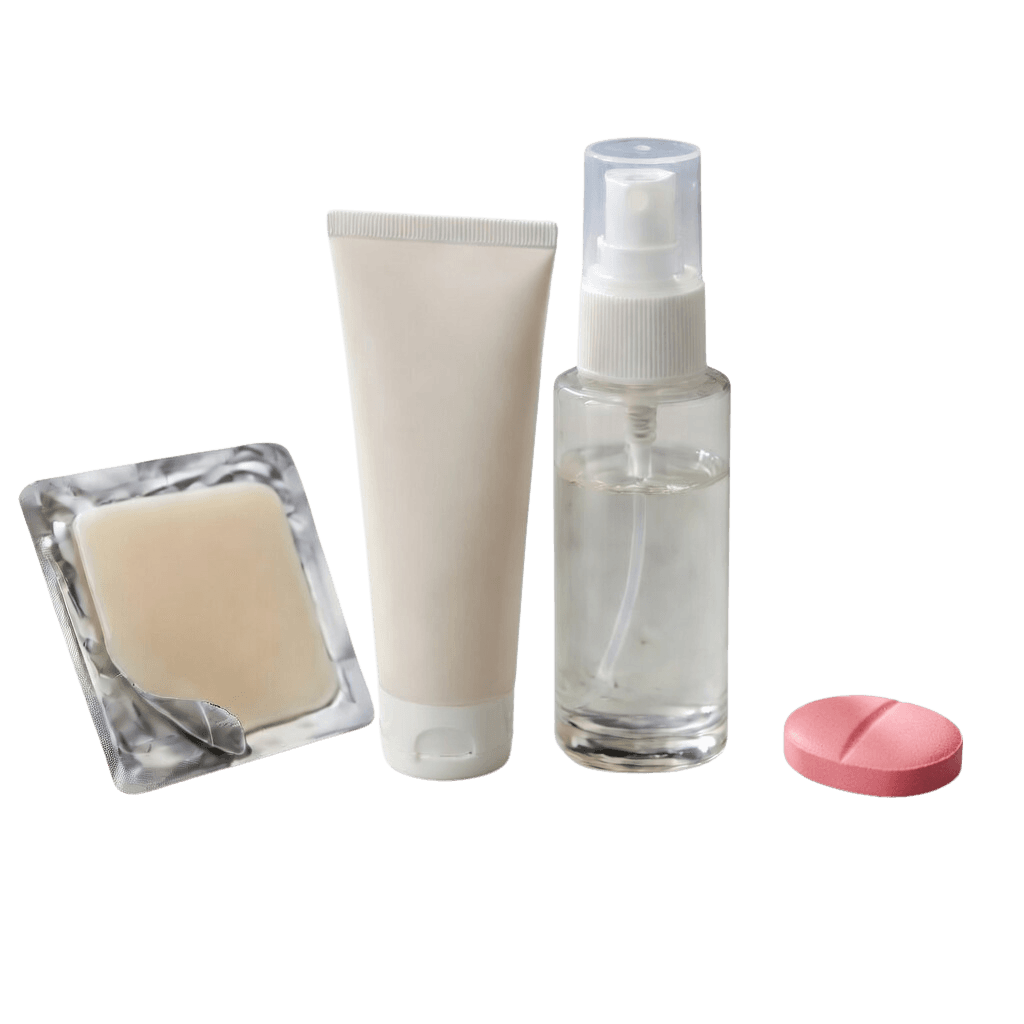
A US-licensed clinician designs your protocol — pill or patch, progesterone if needed, vaginal estradiol if symptoms call for it.
Free shipping, dose adjustments and provider messaging are part of the plan.
The 2020 Menopause Society statement estimates that genitourinary syndrome of menopause (GSM) affects about 27% to 84% of postmenopausal women, and calls it underdiagnosed and undertreated. It covers vaginal dryness, burning, painful sex and urinary symptoms, including recurrent urinary tract infections.
Effective treatments named in the statement include vaginal lubricants and moisturizers, low-dose vaginal estrogen, vaginal DHEA, systemic hormone therapy and ospemifene. Low-dose vaginal estrogen is a mainstay when over-the-counter products are not enough.
Vaginal estradiol uses micrograms, not the milligrams of a tablet: Imvexxy comes in 4 mcg and 10 mcg inserts. The 2020 statement says a progestogen is not needed with low-dose vaginal estrogen. The product labels still carry the class warnings for estrogens, so your provider reviews your history, especially any breast cancer history, before prescribing.
Lubricants and moisturizers are the first step for many women. For bothersome symptoms they do not relieve, the 2022 Menopause Society statement recommends low-dose vaginal estrogen, or other options such as vaginal DHEA or ospemifene, for women who do not need systemic hormone therapy. Women already on estradiol pills or patches can add vaginal estradiol if dryness or urinary symptoms persist.
Gala prescribes commercial, FDA-approved vaginal estradiol, as a cream or a suppository and including Imvexxy, not compounded creams. No labs are needed to start, and it can be added to an estradiol pill or patch plan or used on its own.
Gala's clinical rules offer systemic HRT from 40 to 65. Vaginal estrogen is the hormone therapy Gala can prescribe outside that window, from 35 to 39 and from 66 on, as well as to any eligible woman in between. It is $99 a month on the 12-week plan, with the provider, ongoing care and free shipping included.
Low-dose vaginal estradiol is a much smaller dose than systemic HRT, and the 2020 Menopause Society statement says no progestogen is needed with it. Whether it fits you, especially after breast cancer, is a decision for your provider with your full history.
The Imvexxy label starts with one insert daily for 2 weeks, then twice weekly, and asks prescribers to adjust based on your response. Tell your care team how your symptoms change.
In the Imvexxy trials the most common side effect was headache. The labels for vaginal estrogens carry the same class warnings as other estrogens, so tell your provider about any vaginal bleeding after menopause.
Both are vaginal estradiol. Imvexxy is a small insert in 4 mcg or 10 mcg strengths, placed by hand; estradiol cream is measured and applied with an applicator. Your provider chooses the form and strength with you.
Yes. Vaginal estradiol can be used alone or alongside systemic HRT when vaginal or urinary symptoms persist.
It treats the dryness and thinning of vaginal tissue behind painful sex, one of the genitourinary symptoms the 2020 Menopause Society statement lists. Low desire without pain has other causes, from sleep and mood to medicines, which your provider can go through with you. Low libido in women
This page is general information, not medical advice. A licensed provider decides whether a treatment is right for you.