Last updated November 13, 2026 · Reviewed by the Gala Health team
Veozah at a glance: what the label says
Veozah is a once-daily 45 mg tablet from Astellas, approved by FDA in 2023 for moderate to severe hot flashes and night sweats due to menopause. It is not a hormone: it blocks the neurokinin 3 receptor on the brain cells that set your temperature threshold, and in studies it did not change estrogen or other sex hormone levels.
| Veozah (fezolinetant) | |
|---|---|
| Effect in the approval trials | From about 10 to 12 moderate or severe hot flashes a day at baseline, roughly 2.5 fewer per day than placebo at week 12 |
| Boxed warning | Added December 2024: hepatotoxicity, after postmarketing cases of liver injury, some within 40 days of starting |
| Liver tests | Before starting, then monthly for the first 3 months and again at 6 and 9 months |
| Do not use with | Known cirrhosis, severe kidney impairment or end-stage kidney disease, or any CYP1A2 inhibitor (for example fluvoxamine, mexiletine or cimetidine) |
| Most common side effects | Abdominal pain, diarrhea, insomnia, back pain, hot flush and raised liver enzymes |
| Generic | None: Drugs@FDA lists only Astellas' original application |
Stop Veozah and get your liver checked right away if you notice new fatigue, loss of appetite, nausea, vomiting, itching, yellow skin or eyes, pale stools, dark urine or abdominal pain, as the label instructs.
Why people look for an alternative
- The liver testing. Six blood draws in the first nine months, counting the baseline test, is a real commitment, and the boxed warning is the reason.
- A contraindication. Cirrhosis, severe kidney disease, or a medicine that inhibits CYP1A2 rules Veozah out entirely.
- Not enough relief. An average of about 2.5 fewer hot flashes a day than placebo is meaningful, but many women still have several a day.
- Cost and coverage. With no generic, Veozah is a brand-only drug, so the price depends on your plan's formulary or the manufacturer's savings program.
None of these mean Veozah is a bad drug; it is a Level I recommendation in The Menopause Society's 2023 nonhormone statement. They mean it is worth knowing what else has comparable evidence.
Veozah alternatives compared
| Option | FDA-approved for hot flashes? | How it is taken | Main caution | Menopause Society 2023 |
|---|---|---|---|---|
| Veozah (fezolinetant) | Yes | 45 mg tablet once daily | Boxed warning: liver injury; liver tests at baseline and months 1, 2, 3, 6, 9 | Recommended, Level I |
| Lynkuet (elinzanetant) | Yes, since October 2025 | Two 60 mg capsules at bedtime | No boxed warning; sleepiness and dizziness, seizure risk, pregnancy loss; one liver check at 3 months | In development in 2023, approved later |
| Paroxetine 7.5 mg (Brisdelle) | Yes | One capsule at bedtime | Boxed warning: suicidal thoughts (as for all SSRIs); may weaken tamoxifen | Recommended, Level I |
| Other SSRIs: paroxetine 10 to 25 mg, escitalopram, citalopram | No (off-label) | Daily tablet | Antidepressant boxed warning about suicidal thoughts; paroxetine may weaken tamoxifen | Recommended, Level I |
| SNRIs: venlafaxine, desvenlafaxine | No (off-label) | Daily tablet, dose increased gradually | Can raise blood pressure (desvenlafaxine label), plus the antidepressant boxed warning | Recommended, Level I |
| Gabapentin | No (off-label) | Often at bedtime; 900 mg a day or more, built up gradually | Off-label for hot flashes; bedtime dosing suits women whose sleep is disrupted | Recommended, Level I |
| Oxybutynin | No (off-label) | Tablet once or twice daily | Anticholinergic effects; possible cognitive decline with long-term use in older people | Recommended, Levels I-II |
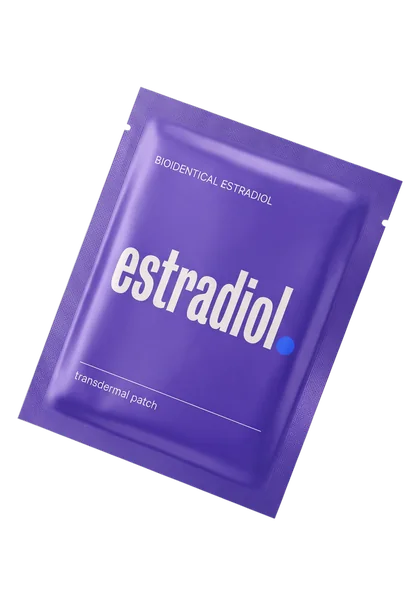
| Estrogen (HRT) | Yes | Pill, patch, gel or spray | Not for women with certain cancers, clots, stroke or liver disease | Called the most effective treatment |
Approval status and warnings from each drug's FDA label; grades from The Menopause Society's 2023 nonhormone therapy position statement (Level I = good and consistent evidence). The trials below used different designs and baselines, so their numbers are not a head-to-head ranking.
How big are the effects? In the Lynkuet approval trials, women had about 3.2 fewer moderate or severe hot flashes a day than placebo at week 12, from 13 to 16 a day at baseline. In a 12-week trial of desvenlafaxine 100 mg, hot flashes fell by 62% (7.3 a day) against 38% with placebo. The Menopause Society puts the range for SSRIs and SNRIs at 25% to 69% fewer hot flashes. In one head-to-head trial it cites, oral estradiol cut 2.3 more hot flashes a day than placebo and venlafaxine 1.8 more.
Lynkuet: the closest substitute
If you liked how Veozah worked but not the liver testing, Lynkuet (elinzanetant, Bayer) is the nearest match. It blocks the same neurokinin 3 receptor plus the neurokinin 1 receptor, and FDA approved it on October 24, 2025. Its label differs from Veozah's in ways that matter:
- No boxed warning, and a single follow-up liver test 3 months after starting, after a baseline test.
- Taken at bedtime because it can make you drowsy: sleepiness, fatigue, dizziness and similar effects occurred in 11.9% of women on Lynkuet vs 3.5% on placebo, and the label advises against driving until those effects pass.
- A seizure warning, broadened in August 2026 after postmarketing reports.
- Contraindicated in pregnancy, because it can cause pregnancy loss; women who could still conceive need contraception while taking it and for 2 weeks after stopping.
- Not recommended with end-stage kidney disease or moderate to severe liver impairment, and the dose is halved with moderate CYP3A4 inhibitors.
The label reports no meaningful change in tamoxifen levels when the two are taken together, which matters for breast cancer survivors.
SSRIs and SNRIs: the long-standing option
SSRIs and SNRIs, two classes of antidepressants, came before the neurokinin blockers: The Menopause Society calls low-dose paroxetine the first non-hormonal drug FDA-approved for hot flashes. It names paroxetine, escitalopram, citalopram, venlafaxine and desvenlafaxine as shown to reduce hot flashes in large randomized trials, and does not recommend sertraline or fluoxetine for this use, because their results did not reach significance.
Only one product in these classes carries the hot flash indication: Brisdelle, a 7.5 mg paroxetine capsule taken at bedtime. Its label says it is not for any psychiatric condition at that dose, and it still carries the SSRI boxed warning about suicidal thoughts and behaviors. Desvenlafaxine's label (Pristiq) covers major depressive disorder only, so its use for hot flashes is off-label but supported by trials.
Two practical points. If you take tamoxifen, the Brisdelle label says to consider avoiding paroxetine, because it strongly inhibits the CYP2D6 enzyme and may reduce tamoxifen's effectiveness; The Menopause Society lists venlafaxine, desvenlafaxine, escitalopram or citalopram as safer choices. And if you already take an SSRI or SNRI for mood, Gala's protocol does not add a second one for hot flashes; talk with whoever prescribes the first.
What the evidence does not support
Searches for "natural" or over-the-counter Veozah alternatives mostly lead to supplements. The Menopause Society reviewed them and does not recommend them for hot flashes:
- Supplements and herbal remedies, including black cohosh, ginseng, vitamin E, omega-3s and yam creams.
- Soy foods, soy extracts and the soy metabolite equol.
- Cannabinoids, acupuncture, exercise, yoga and avoiding triggers, as treatments for hot flashes specifically.
- Paced respiration, clonidine, pregabalin and suvorexant.
Cognitive behavioral therapy and clinical hypnosis, on the other hand, earned Level I recommendations, and weight loss may help some women. They work well alongside a prescription.
Gala's non-hormonal option
Gala does not prescribe Veozah or Lynkuet. Its non-hormonal protocol uses an SSRI and an SNRI, both named in The Menopause Society's Level I recommendation:
- Paroxetine first, unless you take tamoxifen.
- Desvenlafaxine when paroxetine does not fit, for example with tamoxifen. It needs a blood pressure under 150/90, confirmed by a reading if your answer was high or unknown.
- Neither if you already take an SSRI or SNRI.
A licensed provider reviews your intake and prescribes only if treatment is appropriate. The plan is $297 every 12 weeks ($99 a month), with the medication, provider review and follow-up messaging included, and no insurance needed. If you also have vaginal dryness or painful sex, vaginal estradiol can be added, since local estrogen is a different decision from systemic hormones.
If you avoided hormones out of fear rather than a contraindication, it is worth a second look: The Menopause Society calls hormone therapy the most effective treatment for hot flashes and supports considering it within 10 years of your last period. Read is HRT safe or see estradiol.
Learn more on the non-hormonal treatment page, read about hot flashes and night sweats, browse the hormone health hub, or start your assessment.
This article is for information only and is not medical advice. Do not stop or switch a prescription without talking to your healthcare provider.
Frequently asked questions
What is the best alternative to Veozah?
It depends on why you are switching. Lynkuet works in a similar way without a boxed warning. Paroxetine, venlafaxine, desvenlafaxine, escitalopram, citalopram and gabapentin all carry The Menopause Society's Level I recommendation, and estrogen remains the most effective treatment if you can take hormones.
Is Veozah a hormone?
No. Veozah (fezolinetant) blocks the neurokinin 3 receptor in the brain's temperature-control center. In studies it did not change estrogen, FSH, testosterone or DHEA-S levels, so it is a non-hormonal treatment, not HRT.
What is better, Veozah or Lynkuet?
No trial has compared them directly. Both are FDA-approved for moderate to severe hot flashes. Veozah has a boxed warning for liver injury and needs liver tests over 9 months; Lynkuet has no boxed warning but can cause drowsiness and is taken at bedtime.
Does Veozah require liver monitoring?
Yes. The label requires liver blood tests before starting, monthly for the first 3 months, and at 6 and 9 months, and says not to start if liver enzymes or bilirubin are at least twice the upper limit of normal.
Is there a generic Veozah?
No. As of November 2026, Drugs@FDA lists only Astellas' original Veozah application for fezolinetant, and no generic version is approved.
Are there over-the-counter alternatives to Veozah?
Not with good evidence. The Menopause Society does not recommend supplements or herbal remedies such as black cohosh, soy or vitamin E for hot flashes. Cognitive behavioral therapy and clinical hypnosis are evidence-based non-drug options.
Ready to talk to a provider?
Your answers go to a licensed provider, who decides whether treatment is right for you. Learn more about Hormone Health.
Treatments: Estradiol pill or patch online · Progesterone for menopause · Vaginal estrogen online · Non-hormonal menopause treatment
More Hormone Health guides
- estradiol patch vs pill
- HRT side effects
- perimenopause vs menopause
- progesterone for sleep
- best online HRT providers
- how to get an estradiol prescription online
- HRT for perimenopause
- HRT cost without insurance
- is HRT safe
- bioidentical hormones
- when to start HRT
- online menopause doctor
- HRT after hysterectomy
- Midi Health alternatives
- HRT and GLP-1 together
Sources
- Astellas Pharma US. Veozah (fezolinetant) tablets prescribing information. NLM DailyMed.
- FDA. FDA adds warning about rare occurrence of serious liver injury with use of Veozah (fezolinetant) for hot flashes due to menopause. Updated December 16, 2024.
- Bayer HealthCare. Lynkuet (elinzanetant) capsules prescribing information. NLM DailyMed.
- FDA. NDA 219469 approval letter, Lynkuet (elinzanetant). October 24, 2025.
- Brisdelle (paroxetine) capsules 7.5 mg prescribing information. NLM DailyMed.
- Wyeth Pharmaceuticals. Pristiq (desvenlafaxine) extended-release tablets prescribing information. NLM DailyMed.
- The 2023 nonhormone therapy position statement of The North American Menopause Society. Menopause. 2023;30(6):573-590. Full text.
- Pinkerton JV, et al. Desvenlafaxine compared with placebo for treatment of menopausal vasomotor symptoms: a 12-week, multicenter, parallel-group, randomized, double-blind, placebo-controlled efficacy trial. Menopause. 2013;20(1):28-37.
- FDA. Drugs@FDA: fezolinetant applications (openFDA query).
This article is for general information and is not medical advice. Talk to a licensed provider about your own health.