Last updated November 12, 2026 · Reviewed by the Gala Health team
Why menopause causes night sweats
Falling estrogen unsettles the brain's thermostat, so the same heat-release reflex that causes a daytime hot flash fires during sleep: blood rushes to the skin and sweat pours out to shed heat you did not need to lose. Hormone therapy relieves hot flashes and night sweats alike.
The bigger cost is sleep. A 2018 review of sleep in the menopause transition found that insomnia symptoms rise, especially trouble staying asleep, and named vasomotor symptoms as a key driver of that disruption. Broken nights then show up as next-day fatigue, irritability and poor concentration.
Alcohol can cause night sweats on its own, so cutting back in the evening is a fair first step if you drink.
Other causes of night sweats in women
A review of night sweats in American Family Physician notes that tuberculosis and lymphoma are the classic serious causes but are rarely found to be the reason in modern practice. Other causes doctors consider:
- Obstructive sleep apnea, which becomes more common after menopause.
- An overactive thyroid, low blood sugar (including from diabetes medicines) and gastroesophageal reflux.
- Medicines such as antihypertensives and fever reducers, plus alcohol and drug use.
- Infections, including HIV, and rarely cancers such as lymphoma.
When night sweats need a doctor
- Fever, weight loss you cannot explain, a persistent cough or swollen lymph nodes along with the sweats.
- Loud snoring, gasping or pauses in breathing at night, or heavy daytime sleepiness, which point to sleep apnea.
- Night sweats with no change in your periods and no daytime hot flashes, so menopause is a less likely explanation.
- Sweats that wreck your sleep for weeks. Menopausal night sweats are treatable, and a clinician can prescribe the treatment.
Treatments for menopausal night sweats
Estrogen is the most effective treatment. A Cochrane review of 24 placebo-controlled trials concluded that oral hormone therapy is highly effective for hot flashes and night sweats, and The Menopause Society rates its benefit-risk ratio as favorable for women under 60 or within 10 years of menopause who have no contraindications.
Non-hormonal prescriptions approved or recommended for vasomotor symptoms cover night sweats too: SSRIs and SNRIs, fezolinetant and elinzanetant. Gabapentin causes drowsiness and wears off quickly, so The Menopause Society notes that bedtime dosing may suit women whose symptoms mainly disrupt the night.
Progesterone is often taken at bedtime because its label warns it can cause drowsiness. In a Canadian trial of 300 mg oral micronized progesterone at bedtime in perimenopausal women, the main hot flash score did not differ significantly from placebo, but women on progesterone reported fewer night sweats and better sleep quality. For insomnia that lingers, cognitive behavioral therapy for insomnia improved sleep in a randomized trial of women with hot flashes.
How Gala treats night sweats
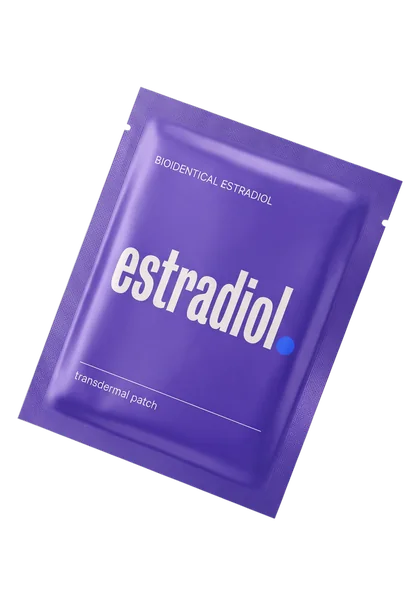
A Gala provider looks at what is waking you. When night sweats are part of the menopause transition and hormones fit your history, the usual plan is estradiol, by pill or patch, plus bedtime progesterone if you have a uterus. Everything on Gala's hormone formulary is an FDA-approved product, not a compounded one.
If estrogen is not safe for you, the provider can choose paroxetine or desvenlafaxine from Gala's non-hormonal protocol. The assessment is online, insurance is not needed, the medication ships free and you can message your care team when the dose needs a change.
Night sweats: common questions
What hormone causes night sweats?
Falling and fluctuating estrogen during perimenopause and menopause. Lower estrogen makes the brain's temperature control oversensitive, so it triggers heat release during sleep.
Can night sweats be a sign of cancer?
Rarely. Lymphoma can cause night sweats, usually with fever, weight loss or swollen lymph nodes, but in modern practice it is an uncommon cause. Night sweats with those symptoms should be checked by a doctor.
How long do menopause night sweats last?
Night sweats and hot flashes run together. In SWAN, frequent symptoms lasted a median of 7.4 years in total and a median of 4.5 years after the final period.
Why do I have night sweats every night?
In midlife the most common reason is perimenopause or menopause. Sleep apnea, an overactive thyroid, reflux, alcohol and some medicines are other causes. Nightly sweats that disrupt sleep are worth treating.
Can anxiety cause night sweats?
Anxiety can cause sweating and a rapid heartbeat, and stressful days can make a restless night worse. If sweats come with changing periods or daytime hot flashes, menopause is the more likely cause.
Do night sweats mean I am in menopause?
Not always. They often start in perimenopause, years before the final period, and they have other causes. Your age, your cycle and any daytime hot flashes help a clinician tell the difference.
Talk to a provider about night sweats
A licensed provider reads your answers and decides whether treatment is right for you.
Sources
- Avis NE, et al. Duration of menopausal vasomotor symptoms over the menopause transition (SWAN). JAMA Intern Med. 2015;175(4):531-539.
- MacLennan AH, et al. Oral oestrogen and combined oestrogen/progestogen therapy versus placebo for hot flushes. Cochrane Database Syst Rev. 2004;(4):CD002978.
- The North American Menopause Society. The 2022 hormone therapy position statement. Menopause. 2022;29(7):767-794.
- The North American Menopause Society. The 2023 nonhormone therapy position statement. Menopause. 2023;30(6):573-590.
- Baker FC, et al. Sleep and sleep disorders in the menopausal transition. Sleep Med Clin. 2018;13(3):443-456.
- Viera AJ, Bond MM, Yates SW. Diagnosing night sweats. Am Fam Physician. 2003;67(5):1019-1024.
- Young T, et al. Menopausal status and sleep-disordered breathing in the Wisconsin Sleep Cohort Study. Am J Respir Crit Care Med. 2003;167(9):1181-1185.
- National Heart, Lung, and Blood Institute. Sleep apnea: symptoms.
- MedlinePlus, National Library of Medicine. Anxiety.
- Prometrium (progesterone) capsules prescribing information. DailyMed.
- Prior JC, et al. Oral micronized progesterone for perimenopausal night sweats and hot flushes: a Phase III randomized placebo-controlled trial. Sci Rep. 2023;13:9082.
- McCurry SM, et al. Telephone-based cognitive behavioral therapy for insomnia in perimenopausal and postmenopausal women with vasomotor symptoms (MsFLASH). JAMA Intern Med. 2016;176(7):913-920.
- Astellas Pharma. Veozah (fezolinetant) prescribing information. DailyMed.
- Bayer HealthCare. Lynkuet (elinzanetant) prescribing information. DailyMed.
This page is for general information and is not medical advice. Talk to a licensed provider about your own health.