Last updated November 12, 2026 · Reviewed by the Gala Health team
What causes hot flashes in women
Hot flashes start in the brain, not the skin. When estrogen falls and fluctuates in perimenopause, a group of neurons in the hypothalamus that signals with a messenger called neurokinin B becomes overactive and disturbs the body's temperature control. The body reacts as if it were overheating: skin blood vessels widen, you flush and sweat, and the heat loss can leave you cold. This is why the newest non-hormonal drugs work by blocking neurokinin receptors.
Timing matters. In SWAN, a study that followed more than 3,000 US women through midlife, women whose frequent hot flashes began while their periods were still regular or only starting to change had the longest run, a median of more than 11.8 years. Women whose hot flashes began after their final period had the shortest, a median of 3.4 years.
Warm rooms, alcohol, caffeine, spicy food and stress are commonly reported triggers. Steering clear of yours is sensible, but The Menopause Society reviewed the evidence in 2023 and did not find enough to recommend trigger avoidance as a treatment. Body weight is different: women with obesity report more frequent and more severe hot flashes, and weight loss is on the society's recommended list, especially early in the transition.
Hot flashes that are not menopause
In a woman in her 40s or 50s with changing periods, menopause is by far the most likely reason. A clinician still keeps a short list in mind:
- An overactive thyroid (hyperthyroidism): sweating or trouble tolerating heat, a rapid or irregular heartbeat, nervousness and weight loss despite a bigger appetite.
- Low blood sugar, including from diabetes medicines, and medicines such as antihypertensives and fever reducers.
- Infections with fever, alcohol, and rarely hormone-secreting tumors.
- Anxiety, which can bring on sweating, restlessness and a rapid heartbeat.
Hot flashes before 40 deserve a look too: periods that change or stop that early can mean primary ovarian insufficiency, when the ovaries stop working normally before 40.
When to see a doctor about hot flashes
- They wake you at night, interrupt work or make you avoid people. Bothersome hot flashes are a medical reason to treat; you do not have to wait them out.
- They start before age 40.
- They come with fever, weight loss you cannot explain, a cough that will not go away or swollen glands.
- You have vaginal bleeding a year or more after your last period, which always needs to be checked.
Hot flash treatments that work
Hormone therapy is the most effective treatment there is. A Cochrane review of 24 placebo-controlled trials found that oral estrogen, alone or with a progestogen, cut weekly hot flash frequency by 75% compared with placebo and made the remaining ones milder. For healthy women under 60 or within 10 years of their last period, The Menopause Society calls the benefit-risk ratio favorable for bothersome hot flashes. If you still have a uterus, estrogen is paired with progesterone to protect its lining.
When hormones are not an option, for example after an estrogen-dependent cancer, prescription medicines with the strongest evidence (Level I) are SSRIs and SNRIs, gabapentin and fezolinetant. Low-dose paroxetine (Brisdelle) is the SSRI approved by the FDA for hot flashes. Two newer drugs block neurokinin receptors: fezolinetant (Veozah) and elinzanetant (Lynkuet), approved for moderate to severe hot flashes due to menopause. Veozah carries a boxed warning for rare but serious liver injury and needs liver blood tests before and during treatment.
Without medicine, cognitive behavioral therapy and clinical hypnosis have Level I evidence. Supplements and herbal remedies, soy, paced breathing, cooling gadgets, exercise and yoga are not recommended as hot flash treatments, because trials did not show they work.
How Gala treats hot flashes
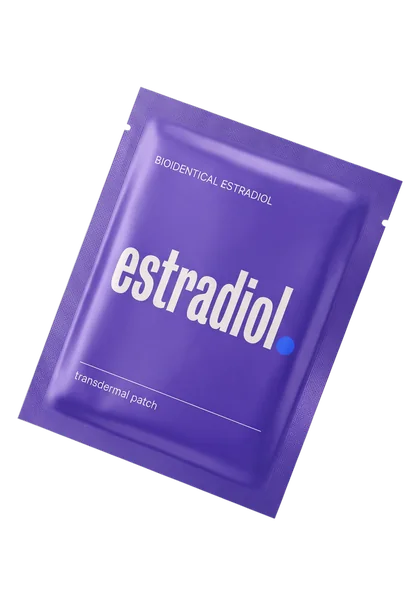
Hot flashes are the symptom Gala's menopause program is built around. You complete an online assessment of about 5 minutes, and a US-licensed provider reads it and, if hormone therapy fits your history, prescribes FDA-approved bioidentical estradiol as a pill or patch, with micronized progesterone when you have a uterus. Nothing in the program is compounded, no insurance is needed, routine lab work is not required to start, and medication ships free.
If your history rules hormones out, the same provider can prescribe a non-hormonal option: paroxetine, or desvenlafaxine, which The Menopause Society lists among the safer choices for women taking tamoxifen. You can message your care team to adjust the plan as the transition moves along.
Hot flashes: common questions
What causes hot flashes besides menopause?
An overactive thyroid, low blood sugar, infections with fever, alcohol, anxiety and some medicines can all cause flushing and sweating. Rarely a hormone-secreting tumor is responsible. If your periods have not changed, or you have fever or weight loss, see a clinician.
How long do menopause hot flashes last?
In the SWAN study the median total duration of frequent hot flashes was 7.4 years, and they persisted a median of 4.5 years after the final period. Women whose hot flashes started early in perimenopause had them longest.
Can you have hot flashes in perimenopause while you still get periods?
Yes. Hot flashes often begin in perimenopause, while periods are still coming, and women who start having them that early tend to have them for more years.
How do you stop hot flashes fast?
No technique switches off a hot flash in the moment. Hormone therapy is the most effective treatment, and SSRIs, SNRIs and gabapentin usually start to work within about 2 weeks. Cooling devices and paced breathing were not shown to work in trials.
What is the best non-hormonal treatment for hot flashes?
The Menopause Society gives its strongest rating to cognitive behavioral therapy, clinical hypnosis, SSRIs and SNRIs, gabapentin and fezolinetant. Elinzanetant was approved by the FDA in 2025. Which one fits depends on your history and other medicines.
Are hot flashes dangerous?
Hot flashes themselves are not dangerous, but they are worth treating when they disrupt sleep, work or mood. A hot flash that comes with fever, weight loss or bleeding after menopause needs medical evaluation.
Talk to a provider about hot flashes
A licensed provider reads your answers and decides whether treatment is right for you.
Sources
- The North American Menopause Society. The 2023 nonhormone therapy position statement. Menopause. 2023;30(6):573-590.
- Avis NE, et al. Duration of menopausal vasomotor symptoms over the menopause transition (SWAN). JAMA Intern Med. 2015;175(4):531-539.
- The North American Menopause Society. The 2022 hormone therapy position statement. Menopause. 2022;29(7):767-794.
- MacLennan AH, et al. Oral oestrogen and combined oestrogen/progestogen therapy versus placebo for hot flushes. Cochrane Database Syst Rev. 2004;(4):CD002978.
- Astellas Pharma. Veozah (fezolinetant) prescribing information. DailyMed.
- U.S. Food and Drug Administration. FDA adds Boxed Warning about rare but serious liver injury with Veozah (fezolinetant). December 2024.
- Bayer HealthCare. Lynkuet (elinzanetant) prescribing information. DailyMed.
- Brisdelle (paroxetine 7.5 mg) prescribing information. DailyMed.
- Prometrium (progesterone) capsules prescribing information. DailyMed.
- National Institute of Diabetes and Digestive and Kidney Diseases. Hyperthyroidism (overactive thyroid).
- Viera AJ, Bond MM, Yates SW. Diagnosing night sweats. Am Fam Physician. 2003;67(5):1019-1024.
- MedlinePlus, National Library of Medicine. Anxiety.
- MedlinePlus, National Library of Medicine. Primary ovarian insufficiency.
- American College of Obstetricians and Gynecologists. Perimenopausal bleeding and bleeding after menopause (patient FAQ).
This page is for general information and is not medical advice. Talk to a licensed provider about your own health.