Last updated November 12, 2026 · Reviewed by the Gala Health team
How menopause affects desire and arousal
The genitourinary syndrome of menopause affects an estimated 27% to 84% of postmenopausal women. As estrogen falls, vaginal and vulvar tissue becomes thinner and drier, which can make sex uncomfortable or painful. Pain is a powerful brake on desire, and The Menopause Society describes the condition as underdiagnosed and undertreated.
Desire is also shaped by how you feel overall. In the PRESIDE survey, distressing sexual problems were linked with poor self-rated health, depression, anxiety, thyroid conditions and urinary incontinence. Hot flashes that wreck sleep and the mood changes of perimenopause can drain interest as well.
Other causes of low libido in women
- Depression and anxiety, which were among the strongest correlates of distressing sexual problems.
- Thyroid conditions and other health problems that lower energy and wellbeing.
- Urinary incontinence and other pelvic floor problems.
- Relationship problems and the effects of medicines or other substances, which doctors rule out before diagnosing a desire disorder.
Low desire is a medical diagnosis, hypoactive sexual desire disorder, only when it causes marked distress or interpersonal difficulty and is not explained by another condition, a relationship problem or a medicine.
When to talk to a doctor about low libido
- Sex is painful, or you have dryness, burning or irritation. Painful sex is common and usually treatable.
- Low desire bothers you or strains your relationship.
- You have bleeding after sex, or any bleeding a year or more after your last period.
- You also have urinary leaks, frequent urinary infections or pelvic pain.
Treatments for low libido in women
When dryness or pain is the problem, The Menopause Society recommends lubricants and moisturizers for mild symptoms and, for moderate to severe symptoms, low-dose vaginal estrogen, vaginal DHEA (prasterone, sold as Intrarosa), systemic hormone therapy or ospemifene (Osphena), a pill approved for painful sex due to menopause. Low-dose vaginal estrogen does not need to be paired with a progestogen.
When desire itself is low, a global consensus statement endorsed by The Menopause Society and The Endocrine Society supports testosterone for postmenopausal women with hypoactive sexual desire disorder; no testosterone product is FDA-approved for women in the US. Flibanserin (Addyi), a daily pill, is labeled for women under 65 with acquired, generalized low desire that causes distress. Bremelanotide (Vyleesi), an injection used before sex, is approved for premenopausal women only.
How Gala treats low libido in menopause
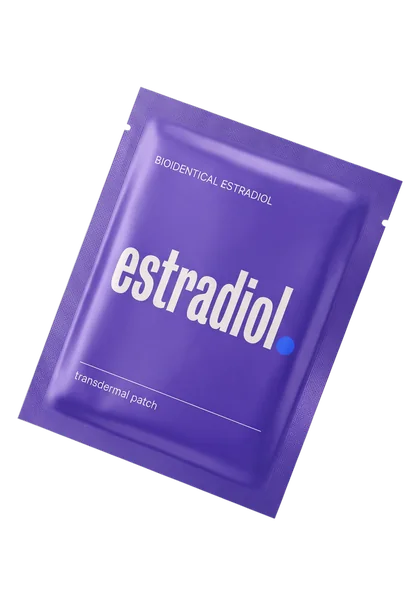
For the menopause side of low desire, Gala's providers prescribe vaginal estradiol, including Imvexxy inserts, to restore comfort, and systemic estradiol when hot flashes, sleep or mood are part of the problem. Both are FDA-approved products, prescribed after an online assessment with no insurance needed.
Vaginal estradiol can be used on its own or together with systemic hormone therapy, and a provider can tell you whether it is right for you if systemic hormones are not.
Low libido: common questions
What causes low libido in women in their 40s?
Common causes include the menopause transition, vaginal dryness or painful sex, poor sleep, depression, anxiety, thyroid conditions, relationship strain and some medicines.
Can menopause cause low libido?
Yes. Falling estrogen causes vaginal dryness and painful sex in many women, and hot flashes, sleep loss and mood changes can lower desire too.
Does HRT help low libido?
Hormone therapy, systemic or vaginal, treats dryness and painful sex, which often restores interest. For low desire on its own after menopause, the evidence is strongest for testosterone, which is used off-label in the US.
Is there a pill for low libido in women?
Flibanserin (Addyi) is a daily pill labeled for women under 65 with acquired, generalized low sexual desire that causes distress. Ospemifene (Osphena) is a pill for painful sex due to menopause.
Can vaginal dryness lower your sex drive?
Yes. When sex hurts, desire often fades. Treating dryness with moisturizers, lubricants or low-dose vaginal estrogen can bring comfort back.
Is low libido a sign of perimenopause?
It can be one of them, especially along with irregular periods, hot flashes, night sweats or vaginal dryness. It also has many causes unrelated to menopause.
Talk to a provider about low libido
A licensed provider reads your answers and decides whether treatment is right for you.
Sources
- Shifren JL, et al. Sexual problems and distress in United States women: prevalence and correlates (PRESIDE). Obstet Gynecol. 2008;112(5):970-978.
- The North American Menopause Society. The 2020 genitourinary syndrome of menopause position statement. Menopause. 2020;27(9):976-992.
- Davis SR, et al. Global consensus position statement on the use of testosterone therapy for women. J Clin Endocrinol Metab. 2019;104(10):4660-4666.
- Addyi (flibanserin) prescribing information. DailyMed.
- Vyleesi (bremelanotide) prescribing information. DailyMed.
- Osphena (ospemifene) prescribing information. DailyMed.
- Intrarosa (prasterone) vaginal inserts prescribing information. DailyMed.
- American College of Obstetricians and Gynecologists. When sex is painful (patient FAQ).
- American College of Obstetricians and Gynecologists. Perimenopausal bleeding and bleeding after menopause (patient FAQ).
- The North American Menopause Society. The 2022 hormone therapy position statement. Menopause. 2022;29(7):767-794.
This page is for general information and is not medical advice. Talk to a licensed provider about your own health.