Last updated November 12, 2026 · Reviewed by the Gala Health team
Why sleep gets worse in perimenopause and menopause
A review in Sleep Medicine Clinics describes more insomnia symptoms across the transition, especially difficulty staying asleep, with vasomotor symptoms as a key component of the disruption. Each night sweat can pull you out of deep sleep, and many women then lie awake.
Breathing during sleep changes too. In the Wisconsin Sleep Cohort, postmenopausal women were 2.6 times as likely as premenopausal women to have at least mild sleep-disordered breathing and 3.5 times as likely to have moderate or worse, after adjusting for age and body size.
Mood plays in. Anxiety and depression both rise in perimenopause and both disturb sleep, and stress about work, family or money raises the risk of insomnia at any age.
Sleep problems that are not menopause
- Obstructive sleep apnea: breathing that stops and starts, loud snoring, gasping, and daytime sleepiness.
- Caffeine, nicotine, alcohol or recreational drugs, long daytime naps and screens close to bedtime.
- Too little physical activity during the day and irregular sleep schedules.
- An overactive thyroid, which causes trouble sleeping, nervousness and a fast heartbeat.
When to see a doctor about sleep
- Someone tells you that you snore loudly, gasp or stop breathing at night, or you are sleepy during the day. Researchers recommend that menopausal women with snoring, daytime sleepiness or unsatisfying sleep be evaluated for sleep apnea.
- Poor sleep has lasted weeks and is hurting your work, mood or driving.
- Night sweats or hot flashes are waking you, which is treatable.
- You rely on alcohol or over-the-counter sleep aids most nights.
Treatments for menopause insomnia
When hot flashes and night sweats are waking you, hormone therapy treats the cause: the 2018 review found it relieves subjective sleep disturbances, particularly when vasomotor symptoms are present. The Menopause Society's 2022 statement supports it for healthy women under 60 or within 10 years of menopause with bothersome symptoms.
Cognitive behavioral therapy for insomnia works without pills. In the MsFLASH trial, six telephone sessions over 8 weeks lowered insomnia severity scores by 9.9 points against 4.7 with menopause education, and 84% of women in the therapy group were in the no-insomnia range at 24 weeks. Hot flash frequency did not change, but hot flashes bothered women less.
Progesterone's label tells women to take it at bedtime because it can cause drowsiness, and a placebo-controlled trial found better perceived sleep quality on 300 mg at bedtime. It is prescribed to protect the uterus during estrogen therapy, not as a sleeping pill, and its sleep benefit is still being studied.
How Gala treats menopause sleep problems
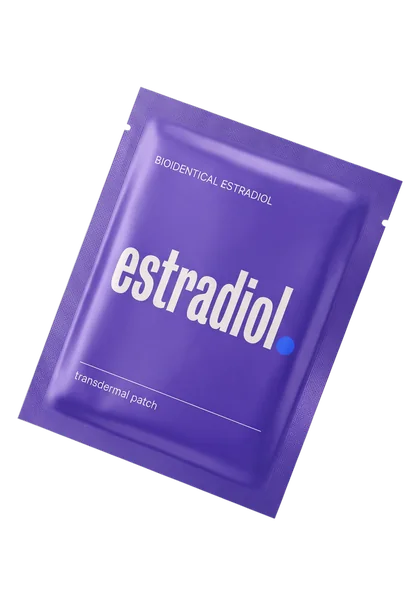
Gala's providers start with what is breaking your sleep. If it is night sweats or hot flashes, the menopause program can prescribe estradiol with bedtime micronized progesterone when you have a uterus, both FDA-approved products. Our progesterone for sleep guide covers what that evidence does and does not show.
Snoring, gasping or heavy daytime sleepiness point to sleep apnea, which needs a sleep study rather than hormones. For women who cannot take estrogen, the non-hormonal protocol targets the night sweats themselves.
Sleep issues: common questions
Why do I wake up at 3 a.m. in menopause?
Trouble staying asleep is the typical insomnia pattern of the transition, and night sweats are a key cause. Anxiety, alcohol in the evening and sleep apnea can do it too.
Is trouble sleeping a symptom of perimenopause?
Yes. Insomnia symptoms increase across the menopause transition, mostly as difficulty staying asleep, and they often begin in perimenopause along with hot flashes.
Does progesterone help you sleep in menopause?
Its label recommends bedtime dosing because it can cause drowsiness, and one trial found better perceived sleep quality. It is prescribed to protect the uterus during estrogen therapy and is not a proven sleep treatment.
Can HRT help with insomnia?
Hormone therapy relieves sleep disturbances, particularly when hot flashes and night sweats are behind them. If hot flashes are not part of the problem, other treatments such as therapy for insomnia fit better.
What helps menopause insomnia without hormones?
Cognitive behavioral therapy for insomnia improved sleep in women with hot flashes in a randomized trial. Non-hormonal hot flash medicines help when night sweats are the trigger, and cutting evening caffeine and alcohol helps too.
Does menopause cause sleep apnea?
The risk rises after menopause. In the Wisconsin Sleep Cohort, postmenopausal women were 2.6 to 3.5 times as likely as premenopausal women to have sleep-disordered breathing, independent of age and weight.
Talk to a provider about sleep issues
A licensed provider reads your answers and decides whether treatment is right for you.
Sources
- Baker FC, et al. Sleep and sleep disorders in the menopausal transition. Sleep Med Clin. 2018;13(3):443-456.
- Young T, et al. Menopausal status and sleep-disordered breathing in the Wisconsin Sleep Cohort Study. Am J Respir Crit Care Med. 2003;167(9):1181-1185.
- McCurry SM, et al. Telephone-based cognitive behavioral therapy for insomnia in perimenopausal and postmenopausal women with vasomotor symptoms (MsFLASH). JAMA Intern Med. 2016;176(7):913-920.
- The North American Menopause Society. The 2022 hormone therapy position statement. Menopause. 2022;29(7):767-794.
- Prometrium (progesterone) capsules prescribing information. DailyMed.
- Prior JC, et al. Oral micronized progesterone for perimenopausal night sweats and hot flushes: a Phase III randomized placebo-controlled trial. Sci Rep. 2023;13:9082.
- National Heart, Lung, and Blood Institute. Insomnia: causes and risk factors.
- National Heart, Lung, and Blood Institute. Sleep apnea: symptoms.
- National Institute of Diabetes and Digestive and Kidney Diseases. Hyperthyroidism (overactive thyroid).
- Maki PM, et al. Guidelines for the evaluation and treatment of perimenopausal depression (The Menopause Society and National Network of Depression Centers). Menopause. 2018;25(10):1069-1085.
This page is for general information and is not medical advice. Talk to a licensed provider about your own health.